Hansen, COPs, and Scientific Understatement

Over the past three decades, global climate summits such as Rio, Kyoto, Paris, and most recently COP30 in Belém have repeatedly promised urgent action, yet emissions remain at record highs and warming continues to accelerate.


While official narratives, including those of the IPCC, often present cautiously optimistic scenarios, scientists like James Hansen warn that the true risks are greater: climate sensitivity may be higher, aerosol cooling weaker, and additional warming already “locked in.” His findings suggest that staying below 1.5-2 °C of warming may no longer be realistic under current trajectories, underscoring the need for faster, deeper, and more candid climate action than political processes have so far delivered.
Hansen, J. E. et al. (2023). Global warming in the pipeline, Oxford Open Climate Change, Volume 3, Issue 1, 2023, kgad008, https://doi.org/10.1093/oxfclm/kgad008 Hansen, J. E. et al. (2025). Global Warming Has Accelerated: Are the United Nations and the Public Well-Informed? Environment: Science and Policy for Sustainable Development, 67(1), 6–44. https://doi.org/10.1080/00139157.2025.2434494

Saharan dust and photovoltaic energy in Hungary

In our article, we examined four years (2020–2023) of PV production and forecasting in Hungary, with a special focus on the day-ahead forecast errors experienced during Saharan dust storm events.

Varga, Gy., Gresina, F., Gelencsér, A., Csávics, A., Rostási, Á. (2025). Desert dust and photovoltaic energy forecasts: Lessons from 46 Saharan dust events in Hungary (Central Europe). Renewable and Sustainable Energy Reviews 212. 115446

The main lessons we have highlighted in this article are:

  • The impact of atmospheric particulate matter is significant, both on PV production and on generation forecasting. This effect is likely to be more pronounced in the case of meridional (south-north) dust transport due to the steeper thermal gradient, which results in a greater impact on cloud formation processes due to both warm advection and increased fine-grained atmospheric particulate mass.
  • PV production projections cannot be sufficiently accurate if coarse resolution aerosol climatology data are used without considering aerosol-cloud interactions, instead calculations need to incorporate up-to-date dust loading data and appropriate cloud physics relationships.
  • The amount of atmospheric dust, the transport dynamics and the mineralogical and physical properties (grain size, grain shape) of the dust material are not well understood and these factors have a diverse impact on cloud formation processes. A better understanding is needed in the future.
  • Also, due to climate change and the natural variability of the climate system, forecasts are made in an unsteady hydrometeorological and atmospheric regime, which always carries uncertainties. These errors are likely to become more significant with increasing installed PV capacity, so managing them will require expanding electricity storage capacity alongside increasingly accurate forecasts.


Record number of Saharan dust events in Hungary - effects on solar energy forecast

Researchers from the HUN-REN Research Centre for Astronomy and Earth Sciences (HUN-REN CSFK), Pannon University and Eötvös Loránd University (ELTE) have investigated the impact of mineral dust carried by Saharan dust storms on domestic photovoltaic energy production and electricity generation schedules. The paper, published in the prestigious scientific journal "Renewable and Sustainable Energy Reviews," provides answers regarding when, from where, and how much mineral dust with specific properties from the Sahara arrives over Hungary. According to the researchers, scheduling should take into account these episodic dust storms, which can lead to reduced irradiance, resulting in less electricity production than initially anticipated by the planners.


Photovoltaic energy production and weather-dependent renewable energy sources, in general, are unpredictable. Unlike gas, for example, electrical energy cannot currently be effectively stored, and there is a continuous need for a balance between production and consumption, with no buffer in the system. The composition of fossil and renewable energy sources in the electricity mix varies from day to day. However, due to the necessity of maintaining a forced balance between production and consumption, it is crucial to know the proportion of weather-dependent renewables in the system for the next day. If the schedule is not accurate, it may require the rapid activation of expensive and fossil fuel backup capacities, primarily gas power plants.

The system operator, therefore, needs to know in advance how much the solar power plants will produce. Models are running for this purpose, and historical climatic data are also available. However, these models often do not take into account many parameters or misparameterise certain processes, and the historical data are essentially unusable due to the ongoing climate change.

Researchers from HUN-REN CSFK, Pannon University and ELTE have expanded their previous basic research on atmospheric dust and Saharan dust storm events in a direction that is also socially and economically significant. Specifically, they have focused on the impact of mineral dust on photovoltaic energy production and schedules.

In their recently published scientific paper, György Varga, a senior scientist at HUN-REN CSFK's Geographical Institute, along with his colleagues, examined the significantly flawed 24-hour schedules for photovoltaic energy production during the 2022 record-breaking 16 Saharan dust storm events in Hungary. They shed light on the significant role of mineral particles in cloud formation during dust storm events, leading to increased cloud cover and extended cloud lifetimes. This results in lower irradiance, causing less electrical energy production than anticipated by the schedulers.

Among the methods applied by the researchers were satellite measurements, numerical simulations, calculations of air mass trajectories, and synoptic meteorological analyses. In addition, laboratory analyses of dust particles washed out with precipitation during Saharan dust storm events were also included. During individual episodes, researchers detected periodical deficits of up to 500 MW between actual and forecasted performance, necessitating the use of expensive and polluting backup capacity to cover the shortfall.

The main problem is that the role of atmospheric dust in the overall radiation balance is difficult to quantify in advance. Within individual dust clouds, various materials such as quartz, calcite, gypsum, clay minerals and mica, as well as variously shaped individual mineral particles and aggregates can be found, each with different optical properties. Darker-coloured particles, like hematite and goethite, absorb more radiation and have a local heating effect, whereas in the case of lighter particles, dominant effects include reflection (e.g., salt crystals) and scattering (e.g., quartz), which result in temperature decrease. The mineral composition is primarily dependent on the geological composition of the source area, but it constantly changes during atmospheric transport since larger and/or heavier particles can fall out of the dust cloud earlier, thereby modifying radiative properties.

When fine particles of atmospheric dust enter the atmosphere, they can also act as condensation nuclei necessary for cloud formation, without which cloud droplets would not form. An increase in the number of condensation nuclei, at a given water vapor content, leads to the formation of more but smaller cloud droplets. As a result, the cloud appears brighter and reflects more radiation. Another characteristic of smaller droplets is that they have a relatively long atmospheric residence time, thereby exerting their radiative effects for a longer duration. Additionally, the probability of precipitation decreases, which means that it is less likely to wash the panels.

The researchers provided answers to several open questions in the paper. For instance, they addressed when, from where, and how much Saharan dust arrives over Hungary, the mineral properties of the dust particles, and the size and shape of the dust grains. They emphasised that in addition to applying general aerosol climatology, episodic dust storms should also be considered in scheduling. Thus far, the microphysical processes related to clouds, specifically the relationships between dust and cloud formation, have not been factored into the calculations.


Publication:

Varga et al., 2024. Effect of Saharan dust episodes on the accuracy of photovoltaic energy production forecast in Hungary (Central Europe). Renewable and Sustainable Energy Reviews https://doi.org/10.1016/j.rser.2024.114289

Desert dust in Finland

Hungarian, Icelandic, and Finnish researchers led by Dr. György Varga, a senior research fellow at the Geographical Institute of the HUN-REN Research Centre for Astronomy and Earth Sciences (HUN-REN CSFK FTI), analysed dust storm events that reached the Finnish atmosphere from long distances between 1980 and 2022. They also identified signs of ongoing climate change, including the growing occurrence of south-north meridional atmospheric flows, attributed to the increased warming of higher geographical latitudes. The study presenting the results was published in the prestigious journal Environment International.


Through the investigations, researchers uncovered dust storm events during which particulate matter from the Sahara, the Aral-Caspian region, and the deserts of the Middle East reached the Finnish atmosphere. Based on model calculations, satellite measurements and images, as well as data from surface monitoring stations, among the episodes identified as potential dusty situations, events confirmed through calculations of air mass trajectories and traceable back to desert and semi-desert regions were added to the database. Thus, during the examined 43 years, a total of 86 long-distance dust storm events were identified in the atmosphere of Northern European countries, including 59 originating from Sahara areas, 22 from the dried-up bed of the Aral Sea and the desert and semi-desert regions of the Caspian Sea area, and 5 from the deserts of the Middle East.

While the emissions from these source areas, excluding the 'dried-up' Aral Sea, are not directly linked to human activity, researchers still emphasize that the effects of ongoing anthropogenic climate change can be identified in the time series and through synoptic meteorological backgrounds of individual episodes. The number of relatively scarce winter events has doubled since 2010, making these studies particularly significant, as local meteorologists have reported freezing rain during every identified winter occasion. Behind this phenomenon are warm upper-level inflows associated with dust storm events, similar to the Saharan dust influx, which was also one of the causes of the 2014 Normafa disaster.

These seasonal changes have evolved similarly in many other regions of Europe, including Hungary. It was, in fact, the frequency and intensity variations of Saharan dust transport observed in Hungary that initially drew the attention of researchers to Northern Europe. The underlying cause of these changes is the increased warming of the Arctic region and, consequently, the decreasing temperature difference between lower and higher latitudes. As a result, high-altitude jet streams lose their strength and become more meandering, adopting a wavier pattern. This, in turn, increases the likelihood of situations where south-north airflow predominates for extended periods, thereby raising the chances of dust reaching northern areas. These changes have also been detected in the case of Iceland.

Systematic, long-term research into these phenomena had not previously been conducted in the region of Finland. News and occasional case studies had only appeared in connection with specific events. Beyond its extended investigation period, the recent study was innovative because it focused not only on episodes originating from the dominant Saharan source areas. The Aral Sea region serves as an outstanding example of harmful human impacts. The waters of the Amu and Syr Darya rivers, once feeding the Earth's fourth-largest lake, were diverted for cotton irrigation, thus, the former lakebed is now occupied by one of the planet's most recent deserts, the Aralkum. A quarter of the identified dust storm events originated from this area. What surprised researchers even more was that on five occasions, dust from the Middle East – Syria, Saudi Arabia, and Iraq – also reached Finland.

Through the investigations, it has once again been confirmed that atmospheric processes changing due to climate change increasingly contribute to the occurrence of extreme weather events. However, the particulate matter reaching long distances is not just one symptom of it all. For example, when deposited on the snow and ice-covered regions of northern areas, it can also contribute to faster melting as the darker surface absorbs more heat, further amplifying the increased warming of higher latitudes. Since the start of the research, there have been two significant Saharan dust depositions in Finland. Consequently, the Finnish Meteorological Institute requested assistance from the public. In their call, they suggested that people melt the snow in saunas and then submit the samples, allowing the researchers to analyse as many dust samples as possible.

The research was carried out with the support of the NKFIH FK138692 and RRF-2.3.1-21-2021 projects, with the involvement of Hungarian, Finnish, and Icelandic researchers.


Publication:

Varga et al. Saharan, Aral-Caspian and Middle East dust travels to Finland (1980-2022). Environment International.

ELKH: Hungarian researchers identify giant Saharan dust particles as far away as Iceland

Saharan dust storms traveling as far as Iceland have been identified in an international collaboration led by Hungarian researchers from the Geographical Institute of the ELKH Research Centre for Astronomy and Earth Sciences (CSFK FTI). Due to changing atmospheric transport mechanisms associated with climate change, similar events are increasingly being observed at higher latitudes. Of particular significance is the fact the Hungarian researchers also found large quantities of giant mineral dust particles (more than a tenth of a millimetre in diameter), which play the opposite role in the Earth’s energy balance to the cooling effect of fine-grained dust, causing net warming of the atmosphere. The results of the research on long-distance transport of Saharan dust were published in the journal Scientific Reports  a member of the Nature family of journals.

In the recently published paper “Saharan dust and giant quartz particle transport towards Iceland”, György Varga, Senior Research Fellow at CSFK FTI, Fruzsina Holman-Gresina (Research Assistant at CSFK; ELTE PhD student) and their Czech and Icelandic co-authors describe Saharan dust storm events identified in the Icelandic region over the past decade and a half, their meteorological background, dust transport routes, possible source areas and general characteristics of the dust particles. The 15 dust storm events identified by remote sensing methods and computer models clearly show that fine-grained mineral dust can travel thousands of kilometres from the Saharan source areas. In fact, particle size and shape analyses of dust collected during two intense events in the Reykjavík area showed that it is not just fine-grained dust of, up to a few tens of microns in diameter that can reach such distances as previously thought, but also large numbers of very large mineral particles of up to 100 microns in size. The researchers carried out the tests using a granulometric characterization instrument based on automated image processing in the Laboratory for Sediment and Soil Analysis of the CSFK FTI .

Climate change: more dust?

The research addresses several aspects of the ongoing climate change issue. Through this study, the researchers have provided new results on the relationship between increased atmospheric meridionality – i.e. the increased dominance of south-north flow systems – and the increased warming of the Arctic, as well as the resulting decrease in the temperature difference between higher and lower latitudes and changing atmospheric flow systems. Reliable instrumental measurements have been available since the 1880s. Since then, the global average temperature has risen by almost 1 degree Celsius. The vast majority of this warming has occurred in the last 10-15 years and its spatial distribution is not uniform: warming in polar regions is several times greater than the temperature change at lower latitudes (a process known as Arctic amplification). The evolution of Rossby waves, which are responsible for cyclonic activity in the temperate zone, varies with the meridional temperature difference: the smaller the difference, the slower the formation of high atmospheric waves with larger amplitudes. Because of these large-amplitude swings, choppy flows from the desert areas of North Africa can carry large amounts of dust northwards (like blowing the dust off a table with a strong wave motion of the tablecloth). This can sometimes be seen across Europe, and a link has been found in Hungary between the meandering jet stream and the increasing amounts of Saharan dust being transported into the Carpathian Basin. What is particularly interesting, however, is that Saharan dust can travel as far as Iceland on so many occasions.

Giant Saharan dust particles in the Arctic atmosphere

The significance of the research is further enhanced by the fact that the analysis of hundreds of thousands of individual mineral particle sizes and fractions has shown that many more large particles are being released into the atmosphere than previously thought. Because of their size, these dust particles – unlike fine-grained dust – absorb rather than reflect radiation from the Sun, so they have a heating rather than a cooling effect. For this reason, the parameterization of their role in the Earth’s energy balance in global climate models needs to be modified. As Iceland is itself the largest dust-emitting region in Europe, with 44,000 km2 of desert area and an average of 135 dust storm days per year, samples collected from the Icelandic source areas were analyzed in the laboratory to separate Saharan and local dust and to exclude possible local ‘contamination’ of the samples thought to be from the Sahara. Like the samples from settled particulate matter, these were analyzed using automated static image processing. This method allows researchers to obtain direct particle size and shape data from small samples. The granulometric data from hundreds of thousands of individual particles are complemented by data from the Malvern Morphologi G3-IDSE Raman spectroscope, which also provides mineral phase information. The researchers found that the size and shape properties of the dust material from local source areas can be effectively distinguished from each other using this method. Particles of similar size had different shapes and particles of similar shape had different sizes. These tests could not have been carried out with any other instrument. For recurrent dust storm events, this method is used only by the CSFK FTI research team worldwide.

The research was carried out with the support of CSFK, project No. KH130337 (“Granulometric analysis of recent Saharan dust”), project No. K120620 (“Paleoenvironmental reconstruction based on particle size and shape of aeolian dust deposits “) of the National Research, Development and Innovation Office (NKFIH), and the Excellence Cooperation Program (KEP-08/2018) of the Hungarian Academy of Sciences, and in cooperation with the COST Action in Dust program with the participation of Hungarian, Czech and Icelandic researchers.

Publication:

Varga, Gy.; Dagsson-Walhauserová; Gresina, F.; Helgadottir, A. (2021). Saharan dust and giant quartz particle transport towards Iceland. Scientific Reports

Published granulometric papers AND granulometric database proposal


In the frame of our research projects NKFIH K120620 'Paleoenvironmental reconstruction based on particle size and shape of aeolian dust deposits' and NKFIH KH130377 'Granulometric analysis of recent Saharan dust' we've published our new granulometric milestone papers! Critical questions of laser diffraction and automated static image analysis measurements, and problematic interpretations of grain size data were discussed in the following papers:


On the reliability and comparability of laser diffraction grain size measurements of paleosols in loess records

Laser diffraction grain size data and size distributions of paleosols are widely used in paleoenvironmental reconstructions as physicochemical alteration-related proxies of past changes of the sedimentary environment. Different laser diffraction devices, optical theories, and optical settings are being applied nowadays, and ignorance of several uncertainty factors and drawbacks of this indirect grain size characterization approach has led to poorly comparable and reproducible granulometric datasets.
Here we present a detailed comparison of grain size results acquired by three state-of-the-art, widely used laser diffraction devices (Fritsch Analysette 22 Microtec Plus, Horiba Partica La-950 v2 and Malvern Mastersizer 3000). Grain size distributions were calculated using both the Fraunhofer and Mie scattering theories and a wide variety of optical settings (68 different complex refractive indices: 1.45–1.6–0.01i-1i) for 10 samples from loess-paleosol sequences of the Carpathian Basin.
Our findings demonstrate that optical settings have significant effects on grain size distributions, especially for the finest fractions (clay and fine silt populations). Interestingly, the selection of laser diffraction devices was an even more deterministic factor in grain size characterization as revealed by network analyses. Clustering of bulk and size-fractionated grain size records was primarily determined by the device used, and also by the applied optical settings. At the same time, the real physical differences of samples were found to be deterministic exclusively for the sand-sized fraction. As such, these findings emphasize the importance of the accurate description of applied methodological details in research papers, as comparability and reproducibility of granulometric datasets cannot be ensured with a lack of information about instrumental conditions and settings.

Granulometric characterization of paleosols in loess series by automated static image analysis

An automated image analysis method is proposed here to study the size and shape of siliciclastic sedimentary particles of paleosols of Central European loess sequences. Several direct and indirect measurement techniques are available for grain size measurements of sedimentary mineral particles. Indirect techniques involve the use of some kind of physical laws, however, all requirements for calculations are in many cases not known. Even so, the direct manual microscopic observation and measurement of large, representative number of grains is time-consuming and sometimes rather subjective. Therefore, automated image analyses techniques provide a new and perspective way to analyse grain size and shape sedimentary particles. Here we test these indirect (laser diffraction) and direct (automated static image analysis) techniques and provide new granulometric (size and shape) data of paleosols. Our results demonstrate that grain size data of the mineral dust samples are strongly dependent on shape parameters of particles, and shape heterogeneity was different between different size classes. Due to the irregular grain shape parameters, uncertainties have arisen also for determination of grain sizes. In this paper we present a possible correction procedure to reduce the differences among the results of the laser diffraction and image analysis methods. By applying new correction factors, results of the two approaches could become closer but the unknown thickness of particles remains a problem to solve.
The other presented correction procedure to assess the uncertain 3rd dimension of particles by their intensity-size relationships makes us able to reduce further the deviations of the two sizing methods.

Interpretation of sedimentary (sub)populations extracted from grain size distributions of Central European loess-paleosol series

Grain size proxies of aeolian dust deposits have widely been applied in environmental and sedimentary studies. However, large body of research papers are not taking into consideration that a complex grain size distribution curve cannot be an indicator of a single one environmental factor (e.g. wind speed/strength, transportation distance, aridity).
The aim of the present paper is to discuss the main differences of frequently used statistical methods and to provide possible interpretations of the results by applying these various approaches on the high-resolution loess-paleosol profile of Dunaszekcső, South Hungary (Central Europe). Beside single statistical descriptors (mean, median, mode) of grain size and simple indices of size-fraction ratios (U-ratio, Grain Size Index), some more complex algorithms were also used in our paper. The applied parametric curve-fitting, end-member modelling and hierarchical cluster analysis techniques are using the whole spectrum of the measured grain size distributions and provide a more reliable and more representative results even in case of small scale variations.
According to our findings, approaches which provide direct linkage among simple statistical descriptors and single atmospheric or other environmental elements are rather oversimplified as properties aeolian dust deposits are influenced by the integrated effects of several concurrent processes. Differences of more complex decomposition methods arise from the different approach and scope. End-members are determined from the unmixing based on the covariance structure of the whole grain size data-series of the section, while the parametric curve-fitting is based on the one-by-one deconvolution of the grain size distribution curves. End-members of loess-paleosol samples are regarded as representation of the average dust grain size distribution of various temporal sediment clusters of seasonal or other short-term intervals, while (sub)populations by parametric curve-fitting are proposed to illustrate process-related elements of background and dust storm depositional components for each sample. Results of cluster analysis represent similar grouping conditions as end-member modelling with a reduced sedimentary and genetically meaning.

Identification of Saharan dust particles in Pleistocene dune sand- paleosol sequences of Fuerteventura (Canary Islands)

New paper: 

Varga, Gy, Roettig, C.-B. (2018). Identification of Saharan dust particles in Pleistocene dune sand-paleosol sequences of Fuerteventura (Canary Islands). Hungarian Geographical Bulletin 67 (2), pp. 121-141.

DOI: https://doi.org/10.15201/hungeobull.67.2.2

Keywords: Saharan dust, Canary Islands, grain size, grain shape, automated image analysis


Abstract

Automated static image analysis and newly introduced evaluation techniques were applied in this paper to identify Saharan dust material in the unique sand-paleosol sequence of Fuerteventura (Canary Islands). Measurements of ~50,000 individual mineral particles per samples provided huge amount of granulometric data on the investigated sedimentary units. In contrast to simple grain size and shape parameters of bulk samples, (1) parametric curve-fitting allowed the separation of different sedimentary populations suggesting the presence of more than one key depositional mechanisms. Additional (2) Raman-spectroscopy of manually targeted individual particles revealed a general relationship among grain size, grayscale intensity and mineralogy. This observation was used to introduce the (3) intensity based assessment technique for identification of large number of quartz particles. The (4) cluster and (5) network analyses showed that only joint analysis of size, shape and grayscale intensity properties provided suitable results, there is no specific granulometric parameter to distinguish Saharan dust due to their irregular shape characteristics. The presented methods allowed the separation of Saharan dust-related quartz grains from local sedimentary deposits, but due to the lack of robust granulometric characterization of coarsest fractions and due to the diverse geochemical properties of North African sources, exact volumetric amount of deposited dust material and sedimentation rates could not be determined from these data.

Methodology

Samples were taken from 24 silty units considered as paleo-surfaces of stable geomorphic periods with reduced sand movements and relatively enhanced Saharan dust influence, additional dune sand and sand sheet samples were also investigated as references for intense sand transportation intervals. Detailed description of the units and stratigraphic analysis of selected sites can be found in the works of Faust, D. et al., (2015) and Roettig, C.-B. et al., (2017; under review). Air-dried and 2 mm sieved samples were measured by Malvern Morphologi G3-ID instrument in the Laboratory for Sediment and Soil Analysis (Geographical Institute, Research Centre for Astronomy and Earth Sciences, Hungarian Academy of Sciences).
The applied automated static image analysis technique is a new, innovative mode of grain size and shape analyses completed with chemical identity assessments of Raman spectrometry. In contrast to widely used laser diffraction measurements, image analysis provides direct observational data of particle size, and due to the automatic measurement technique large number of particles are characterized allowing us a more robust and objective granulometric description of particles compared to manual microscopic approaches.

7 mm3 of mineral particles per samples were dispersed by 4 bar compressed air onto a glass slide with 60 s settling time. The used 20× objective lens provide a 960× magnification, suitable for detailed characterization of particles in the size range between fine silt and fine sand fractions. Two-dimensional imaging was completed with the usage of additional vertical focal planes, two additional layers were applied above and two other ones below the focus, equivalent to a total of 27.5 µm.
The captured high-resolution grayscale images of ~50,000 individual mineral particles were automatically analysed by the device software to get a raw granulometric data-matrix. Each row of the table represents one sedimentary particle (with its own identity number), while the columns are various size and shape parameters, completed with light transmissivity data and Raman correlation scores.
Circle-equivalent (CE) diameter is the key size descriptor, calculated as the diameter of a circle with the same area as the projected two-dimensional image of a given mineral grain. Beside several other simple size properties (e.g. length, width, perimeter, sphere-equivalent volume), various shape parameters are derived from these sizes. Aspect ratio is the ratio of width and length, circularity describes the proportional relationship between circumference of a circle equal to the projected area of the particle and perimeter. Convexity (and solidity) parameters are measures of edge roughness by using the ratio of particle and convex hull perimeter (and area). Circularity and convexity values are also suitable to filter out stacked particles and aggregated particles, in this study particles with lower than 0.65 circularity and convexity values were excluded from further calculations.
Intensity mean and standard deviation parameters are determined from the grayscale images as a results of light transmissivity of particles. These values are dependent on mineralogy, particle thickness, chemical homogeneity and surface roughness (for detailed description of the method, see: Varga, Gy. et al., 2018). Intensity values together with chemical identity analyses of the build-in Raman spectrometer provide useful additional information for separation of granulometrically similar particles.

Identification of Saharan dust material

Based on the fact that the Saharan dust deposited at Fuerteventura is mainly (1) silt-sized and (2) contains a lot of quartz particles (regarded as exotic in the basaltic and carbonate-rich environment of the island), these two deterministic factors were evaluated separately to identify North African dust particles. Three different assessment methods were applied to determine the amount of Saharan dust material of the samples.
An indirect approach was applied to theoretically discriminate the silt-sized sedimentary subpopulations which were mathematically separated. The polymodal grain size distribution curves were partitioned into several unimodal Weibull-distributions by applying parametric curve-fitting technique (Sun, D. et al., 2002, 2004; Varga, Gy. et al., in press). According to the applied parametric curve fitting technique the polymodal particle size curves can be interpreted as sum of several, in this case three overlapping Weibull-functions which represent three sediment populations. According to published data on recent dust events from the area (Criado, C. et al., 2003; Menéndez, I. et al., 2007; von Suchodoletz, H. et al., 2009) and measurements of other far-travelled North African dust material (Varga, Gy. et al., 2016), the subpopulation with smallest particles are regarded as the product of long-ranged dust transport.
Raman-spectroscopy (at 785 nm wavelength with 3µm spot) was also applied to directly identify the quartz grains as an indicator of Saharan dust contribution. The acquired spectra of targeted particles were compared to Raman spectral reference libraries using KnowitAll® software from Bio-Rad to identify the minerals present.

The third applied technique was based on the grayscale intensity mean values of particles, the relatively high values were used as a proxy for quartz grains as it was found that there is a strong correlation between light transmissivity and chemical identity (especially in this special case of an environment characterized with the overwhelming majority of carbonate and quartz particles).

Cluster and networks analysis techniques were also applied to differentiate various mineral particle populations based on their general normalized shape (aspect ratio, circularity, convexity, solidity) and grayscale intensity (mean, standard deviation) values. Hierarchical cluster trees were created by using the Euclidean distance pairs of the selected parameters of separated quartz and carbonate size fractions (fine, medium, coarse silt and sand).
For network analysis 192×192 [(24 samples × 2 minerals × 4 size fractions) × (24×2×4)] matrix was compiled, where coefficient of determination was calculated for each pair of records based on the normalized shape and grayscale intensity parameters. This matrix was transformed into an adjacency matrix with values of 0 if r2<0.99 and 1 if r2≥0.99, in this way all of the similar mineral grains were coupled and the whole database can be handled as a network or a finite graph, where the similar records (nodes) are connected (edges) to each other. The Gephi network visualization software was used to analyse the compiled network by applying the ForceAtlas2 continuous graph layout algorithm (Jacomy, M. et al. 2014).

Granulometric characterization of paleosols in loess series by automated static image analysis

An automated image analysis method is proposed here to study the size and shape of siliciclastic sedimentary particles of paleosols of Central European loess sequences. 

New paper: Varga et al. (2018) Sedimentary Geology 370, pp. 1-14. DOI: j.sedgeo.2018.04.001

Several direct and indirect measurement techniques are available for grain size measurements of sedimentary mineral particles. Indirect techniques involve the use of some kind of physical laws, however, all requirements for calculations are in many cases not known. Even so, the direct manual microscopic observation and measurement of large, representative number of grains is time-consuming and sometimes rather subjective. Therefore, automated image analyses techniques provide a new and perspective way to analyse grain size and shape sedimentary particles. 
Here we test these indirect and direct techniques and provide new granulometric data of paleosols. Our results demonstrate that grain size data of the mineral dust samples are strongly dependent on shape parameters of particles, and shape heterogeneity was different of the different size classes. Due to the irregular grain shape parameters, uncertainties have arisen also for the sizes. 
In this paper we present a possible correction procedure to reduce the differences among the results of the laser diffraction and image analysis methods. By applying new correction factors, results of the two approaches could be get closer but the most definite factor, the unknown thickness of particles remained a problem to solve. The other presented method to assess the uncertain 3rd dimension of particles by their intensity-size relationships makes us able to reduce further the deviations of the two sizing methods.


Granulometry - 101


Interpretation of sedimentary (sub)populations extracted from grain size distributions of Central European loess-paleosol series

Varga, Gy., Újvári, G., Kovács, J. (in press). Interpretation of sedimentary (sub)populations extracted from grain size distributions of Central European loess-paleosol series. Quaternary International

Grain size proxies of aeolian dust deposits have widely been applied in environmental and sedimentary studies. However, large body of research papers are not taking into consideration that a complex grain size distribution curve cannot be an indicator of a single one environmental factor (e.g. wind speed/strength, transportation distance, aridity).
The aim of the present paper is to discuss the main differences of frequently used statistical methods and to provide possible interpretations of the results by applying these various approaches on the high-resolution loess-paleosol profile of Dunaszekcső, South Hungary (Central Europe). Beside single statistical descriptors (mean, median, mode) of grain size and simple indices of size-fraction ratios (U-ratio, Grain Size Index), some more complex algorithms were also used in our paper. The applied parametric curve-fitting, end-member modelling and hierarchical cluster analysis techniques are using the whole spectrum of the measured grain size distributions and provide a more reliable and more representative results even in case of small scale variations.
According to our findings, approaches which provide direct linkage among simple statistical descriptors and single atmospheric or other environmental elements are rather oversimplified as properties aeolian dust deposits are influenced by the integrated effects of several concurrent processes. Differences of more complex decomposition methods arise from the different approach and scope. End-members are determined from the unmixing based on the covariance structure of the whole grain size data-series of the section, while the parametric curve-fitting is based on the one-by-one deconvolution of the grain size distribution curves. End-members of loess-paleosol samples are regarded as representation of the average dust grain size distribution of various temporal sediment clusters of seasonal or other short-term intervals, while (sub)populations by parametric curve-fitting are proposed to illustrate process-related elements of background and dust storm depositional components for each sample. Results of cluster analysis represent similar grouping conditions as end-member modelling with a reduced sedimentary and genetically meaning.

How to fit Weibull functions?

You can separated the different sedimentary sub-populations by using a simple MS Excel software with SOLVER. The difference between the measured and modelled values (sum of two/three Weibull distributions) has to be minimized.

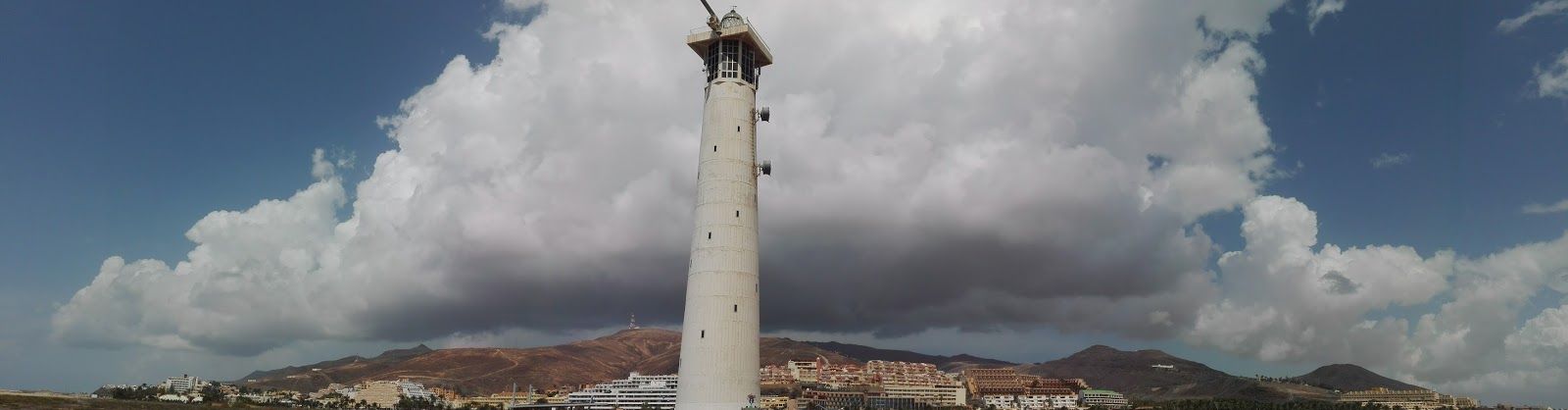
Fuerteventura in widescreen

International Symposium on eolian Dynamics, Paleosols and environmental Change in Drylands
Field impressions in widescreen
15-16 March, 2017: Fuerteventura, Spain


NKFI K120620 - Summaries

Summary of the research and its aims for experts
The proposed research is aimed at to analyse the size and shape properties of individual particles of aeolian dust deposits which are standing in the focal point of environmental studies. The development and application of a new granulometric paleoenvironmental proxy is also proposed in the project. In the course of the research, the loess-paleosoil series of the Carpathian Basin would be investigated which are covering almost the half of the area and are regarded as one of the most important archives of the paleoclimatic and paleoenvironmental changes of the last 1 million years. The scope of the studied deposits would be completed with the analyses of samples collected from recent Saharan dust deposition events and materials from Mediterranean terra rossa soils with a proven, dominant North African dust contribution.
The applied analytical methods of widely used laser diffraction grain size measurements will be supplemented with measurements of size and shape parameters from automated image analysis of pictures taken by optical microscopes. So far similar sedimentological studies based on the quantitative size (e.g. circle-equivalent diameter, length, width, perimeter), shape (e.g. circularity, convexity) parameters, absorbing light-dependent intensity values and chemical composition (from Raman-spectra) of several hundreds of thousands of individual particle have not been carried out. Granulometric analyses augmented with chemical composition determinations would be the basis of a new paleoenvironmental proxy proposed to be developed in the project.

What is the major research question?
In the course of the proposed project, the mechanisms of glacial, loess-forming sedimentary processes and the interglacial, environment-related post-depositional alterations will be reconstructed based on the granulometric parameters of aolian dust deposits. Grain shape and shape distribution of clastic deposits provide information on the type of the transport agent and transport distance, while the size and size distribution parameters are allowing us to reconstruct the power of the transport agent, the dynamics of transport and the distance of possible source area(s).
During the interglacials with different length and intensity, soil forming processes played the dominant role. At the same time, however, the contribution of a minor aeolian dust deposition has to be taken into account also during interglacial periods, which fine-grained dust material is able to modify the mineralogical and physicochemical properties of paleosoils. The post-depositional processes have also been archived in the individual mineral particles. The shape parameters of detrital and secondary particles formed by weathering processes are different. The ratio of distinguished primary and secondary mineral particle-clusters and the minor changes of shape parameters (e.g. surface area of particles derived from convexity values) of primary particles will be compared to geochemical paleoenvironmental proxies to develop a new, independent granulometric paleoenvironmental indicator.

What is the significance of the research?
Preliminary data indicated that routinely applied laser diffraction grain size results and from those derived information on past sedimentary environments are oversimplified. To the application of laser diffraction using Mie-scattering theory, the knowledge of optical properties (refractive index and absorption coefficient) of the sample and the dispersant is needed. However, it is a difficult issue in the case of polymineral material; on the other hand absorption coefficients are also dependent on grain shape parameters. Contrarily, automated image analysis based grain size and shape determinations provide direct information on granulometric properties.
The size, shape, intensity and chemical identity data of the proposed research will be able to revaluate and refine the results of previous grain size measurements of aeolian dust deposits. The method proposed here will allow us to gain insight into the mechanisms of loess formation and into environmental conditions both in a past (loess-paleosoil system) and a recent (dust-soil system) context.
Generally, a spherical shape is supposed during grain size measurements and the results are converted into some kind of equivalent diameter, so these cannot be regarded as precious values. Particle shape determines also the settling velocity of mineral grains modifying so the parameters (e.g. dust concentration assessments from the quotient of dust flux and grain size/shape dependent settling velocity) derived from them.
Grain shape distribution data allow us to determine the ratio of detrital and postdepositional secondary particles. So, the separation of sedimentary and environmental signals is also feasible. The correctness of theoretical, mathematical-statistical detachment of sedimentary subpopulation can also be revised and refined by determination of granulometric clusters based on size and shape parameters obtained from automated image analysis of particles.

Summary and aims of the research for the public
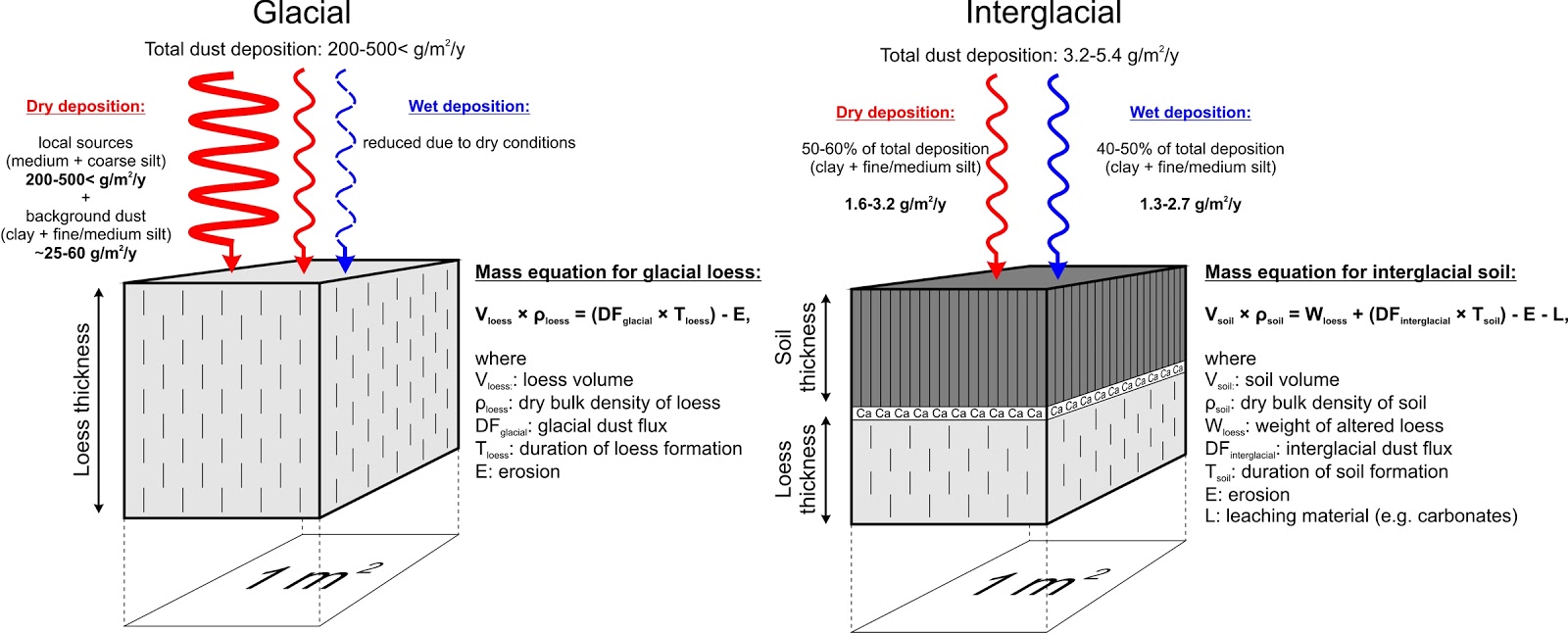
The climate of the Carpathian Basin can be characterized by two major opposite states of long-term climatic regimes; cold-dry glacial and warm-moist interglacial periods have determined the environmental character of the area. During glacial periods due to the increased frequency and intensity of dust storms, aeolian dust deposition became the dominant sedimentary factor and from the accumulated dust material loess was formed. However during the moist and warm interglacial periods the upper part of the loess was formed to soil. These dark layers were buried by dust during the next glacial phase, and archived the warm interglacial period as paleosoil. These cyclic loess-paleosoil series are outstanding archives of climatic changes of the last 1 million years.
Grain size of aeolian dust deposits fall into a very narrow range as a consequence of the extremely selective nature of wind sediment transport. Diameters of windblown particles are generally between some micrometres to hundred micrometres. The continuously developing measurement technology makes possible not only the high-precious determination of grain size, but the deeper understanding of size and shape distribution parameters of several tens or hundreds of thousands of individual particles. Based granulometric parameters of this new procedure, the development of a new environmental indicator and the reconstruction of sedimentary mechanisms and environment-related postdepositional alterations are also possible.

Saharan dust deposition in the Carpathian Basin and its possible effects on interglacial soil formation

Varga, Gy, Cserháti, Cs., Kovács, J., Szalai, Z. (2016). Saharan dust deposition in the Carpathian Basin and its possible effects on interglacial soil formation. Aeolian Research 22. pp. 1-12.

Several hundred tons of windblown dust material are lifted into the atmosphere and are transported every year from Saharan dust source areas towards Europe having an important climatic and other environmental effect also on distant areas. According to the systematic observations of modern Saharan dust events, it can be stated that dust deflated from North African source areas is a significant constituent of the atmosphere of the Carpathian Basin and Saharan dust deposition events are identifiable several times in a year. Dust episodes are connected to distinct meteorological situations, which are also the determining factors of the different kinds of depositional mechanisms. By using the adjusted values of dust deposition simulations of numerical models, the annual Saharan dust flux can be set into the range of 3.2–5.4 g/m2/y.
Based on the results of past mass accumulation rates calculated from stratigraphic and sedimentary data of loess–paleosol sequences, the relative contribution of Saharan dust to interglacial paleosol material was quantified. According to these calculations, North African exotic dust material can represent 20–30% of clay and fine silt-sized soil components of interglacial paleosols in the Carpathian Basin. The syngenetic contribution of external aeolian dust material is capable to modify physicochemical properties of soils and hereby the paleoclimatic interpretation of these pedogene stratigraphic units.